Imagine the familiar sandwich you make at lunchtime. With two slices of bread, your favourite filling and maybe some mayonnaise, you have lunch. Now imagine making that same sandwich while trying to reduce your carbohydrate intake.
You may not need to change the filling at all; replacing the bread could make a meaningful difference. If you are considering keto-friendly eating, start by checking what those two bread slices contain.
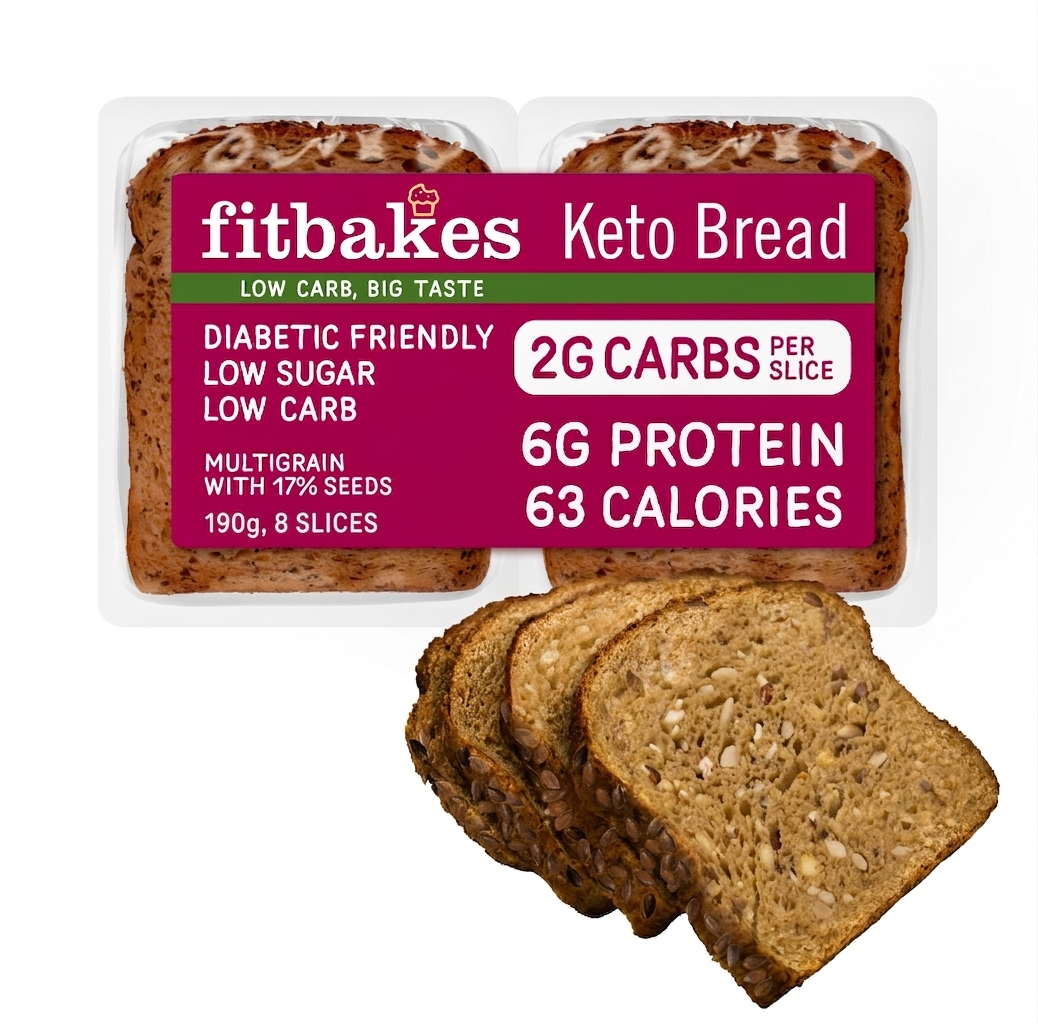
Image credit: fitbakes.co.uk
Why Look at Carbs in a Whole Sandwich?
Searching for the lowest bread carbs can lead to confusing product comparisons. Some loaves advertise carbohydrates for each slice, while others highlight figures per 100g. Instead of compare the headline figures alone, think about the serving you actually use. For a two-slice sandwich made with two slices, add up the carbohydrates in your bread portion before considering the ingredients inside.
A dish-based calculation helps you judge products by the food on your plate. According to its marketing, Fitbakes Seeded Low Carb Loaf provides 0.8g net carbohydrates in each slice, or about 1.6g net carbohydrates in a sandwich made with two slices. The item page additionally mentions 2g carbohydrates; review the latest nutritional label before relying on a particular amount.
Understanding the Difference With Keto Bread
The conversation around bread and keto often focuses on whether bread should be excluded altogether. Starch is a significant source of carbohydrates in traditional wheat bread. Alternative formulations allow keto-friendly breads to offer a familiar bread experience with fewer carbohydrates.
A keto-friendly label should not be taken to mean that the slices is free from all carbs. Remember to count the amount eaten together with spreads, fillings and the rest of your meals. A sandwich made with lower-carb bread may make it easier to plan the rest of your prepared food.
What Seeds and Protein Add to the Loaf
Carbohydrate content is not the only reason to choose another loaf. The manufacturer lists 7g protein per slice and a 17% seed content for Fitbakes seeded bread, including sunflower seeds and sunflower seeds. The manufacturer also reports a value of 63 calories for each slice. The seeds add taste and texture; protein also plays an important role in normal body maintenance.
As you assess bread with low carbohydrates, look beyond carbs to the full nutrition panel and the other nutritional details. Whether a loaf is right for you depends on your individual circumstances, not only its carb figure.
Does Lower-Carb Bread Work for Toast?
One concern about alternative bread is whether it will taste satisfying. Some carb-conscious loaves have a different texture from traditional supermarket bread. The manufacturer suggests putting its Seeded Low Carb Loaf in the toaster for a golden, nutty finish. At breakfast, pair it with a serving of scrambled eggs; at lunch, make an open sandwich with avocado, tomatoes and seasoning.
Bread with low carbs can likewise accompany soup or provide a quick starting point for a speedy midday meal. You do not need to reinvent every meal; simple meal combinations may create changes more manageable.
Reading the Label Before Buying
Understanding carbs in low carb bread requires not merely looking at front-of-pack claims. Review portion information, carbs, protein, fibre and the list of ingredients. On UK nutrition panels, carbohydrates and fibre are generally listed separately; some overseas products use different conventions.
When net carbohydrates appear in marketing, compare the stated number with the complete label. That extra check matters especially when the breads you are comparing have slices that weigh different amounts.
A More Practical Way to Reduce Carbs
Eating fewer carbs need not mean giving up your favourite meals. A suitable bread swap can help you keep making familiar meals while reducing your carbohydrate intake.
Fitbakes Seeded Low Carb Loaf is a seed-based loaf option advertised by its manufacturer as low in carbohydrates and high in protein. Ultimately, the best choice is a bread that fits your dietary preferences, tastes enjoyable, and works with the meals you regularly prepare.