If you’ve ever left at a doctor’s appointment with a prescription for MRI, CT scan, or Xray, you might have wondered why the particular examination was chosen. Each of them takes photos of the insides of the body. What’s the reason they can’t be interchangeable?
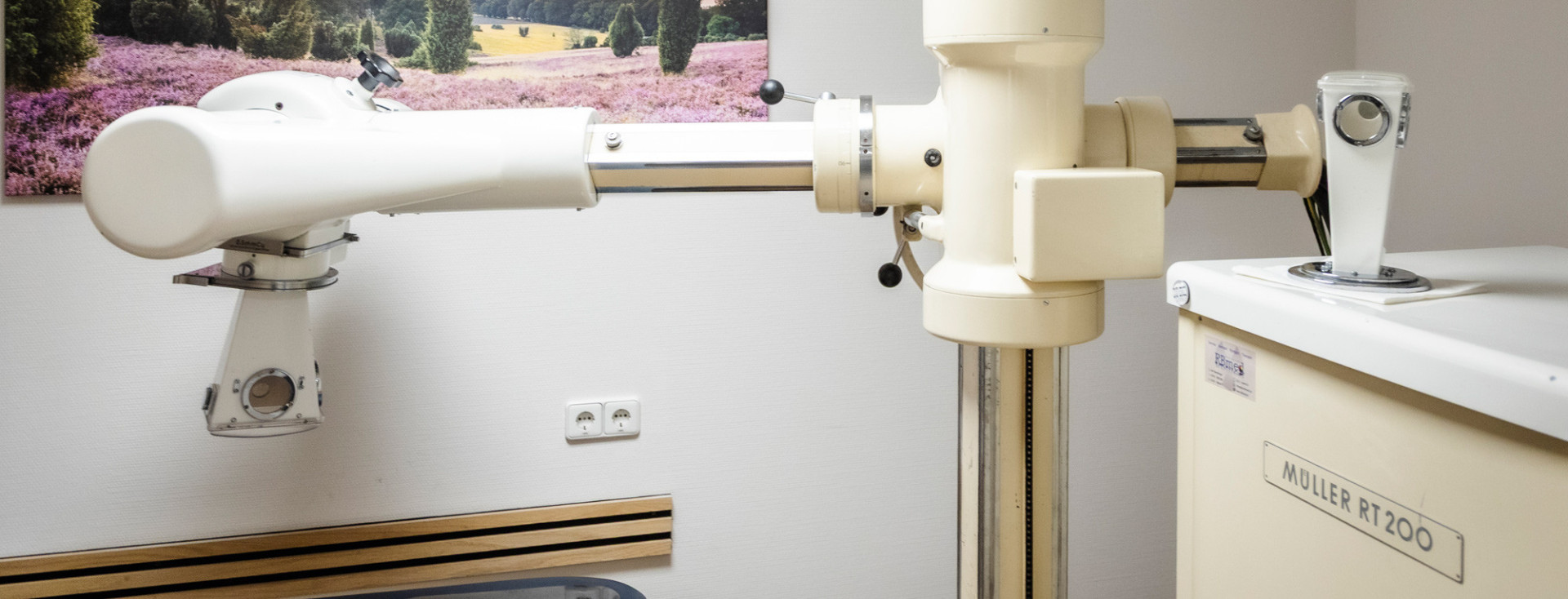
Image credit: diagnostikzentrum-wolfsburg.de
Diagnostic imaging today functions more like a toolbox. The information each technology provides is different, and it depends on which part of the body you are studying and the medical problem you’re trying solve. In the Wolfsburg Diagnostics Center the range of imaging technologies are available to meet a variety of needs for diagnosis.
MRI Examine the Body without ionizing radiation
Magnetic resonance imaging (MRI) makes use of radiofrequency and magnetic fields to produce detailed images. It does not utilize radiation that is ionizing. MRI can be used to view soft tissue organs, joints, and various internal structures. For example patients with an issue with their joints may require information that is not possible to obtain from an X-ray.
The Wolfsburg Diagnostic Center provides prostate MRI and full-body MRI tests. These applications make use of MRI’s capability to provide precise images, without exposing patients to ionizing radioactivity.
CT produces detailed cross-sectional images
The way that computed-tomography utilizes imaging is distinct. CT imaging is made by combining X-rays and computer processing. CT images are generated by cutting them into slices rather than creating a single image. This allows doctors to study specific medical issues.
The center is equipped with the latest low-dose CT technology to cut down on radiation exposure while still obtaining crucial diagnostic information. CT imaging is also beneficial to treat. Periradicular therapy, known as PRT utilizes CT guidance to guide injections that treat nerves that have been irritated.
The well-known X-ray has an important role to play
The advancement of technology doesn’t make conventional radiography obsolete. Digital X ray diagnostics is an efficient and fast method to get images, which can be useful for many kinds of tests. Modern digital technology can operate with reduced radiation doses as compared to traditional methods. For more information, click here radiologie Wolfsburg
Sometimes, the most difficult test isn’t the most appropriate one. It’s important to choose a device that can answer your question of clinical rather than the newest devices.
Breast Imaging Technology Has its own unique technology
Mammography is a tool for diagnosing specifically designed for breast cancer. Wolfsburg Diagnostic Center offers 3D mammography, in addition to the standard mammography. It’s also known as tomosynthesis. This technology creates multiple images which can be rebuilt into a layer-view of breast tissue. Because different areas of the human body have distinct diagnostic issues, the use of specialized imaging is vital.
An image that is new could be more effective with an old image
A current scan gives an overview of the body’s condition today. Comparing an older scan to a current one can be equally useful.
Medical professionals can analyze the changes from the past when they have access images and medical findings. This is much more efficient than interpreting the results of a recent examination only. This is why it is recommended that patients are urged, whenever possible to bring previous medical imaging results and images to their appointments.
Technology can be more efficient when patients understand the procedure
The Wolfsburg Diagnostic Center is a combination of MRI, CT, digital Mammography, X-rays 3D mammography as well as image-guided treatment, with a focus on clear communication and well-organized patient treatment.
The center provides patients with clarified explanations for the exams and medical procedures. Educational videos are also available. The center also concentrates on a coordinated schedule and short wait times. Modern diagnostic medicine is dependent on modern technology, but scanning shouldn’t be a mysterious technical procedure.
Understanding the objective of a particular exam and what they can expect can help patients feel more educated. They might also realize the latest medical technology easier to understand.